
This post may contain affiliate links. If you book or purchase something through these links, I may earn a commission at no extra cost to you. Read the full disclosure policy here.
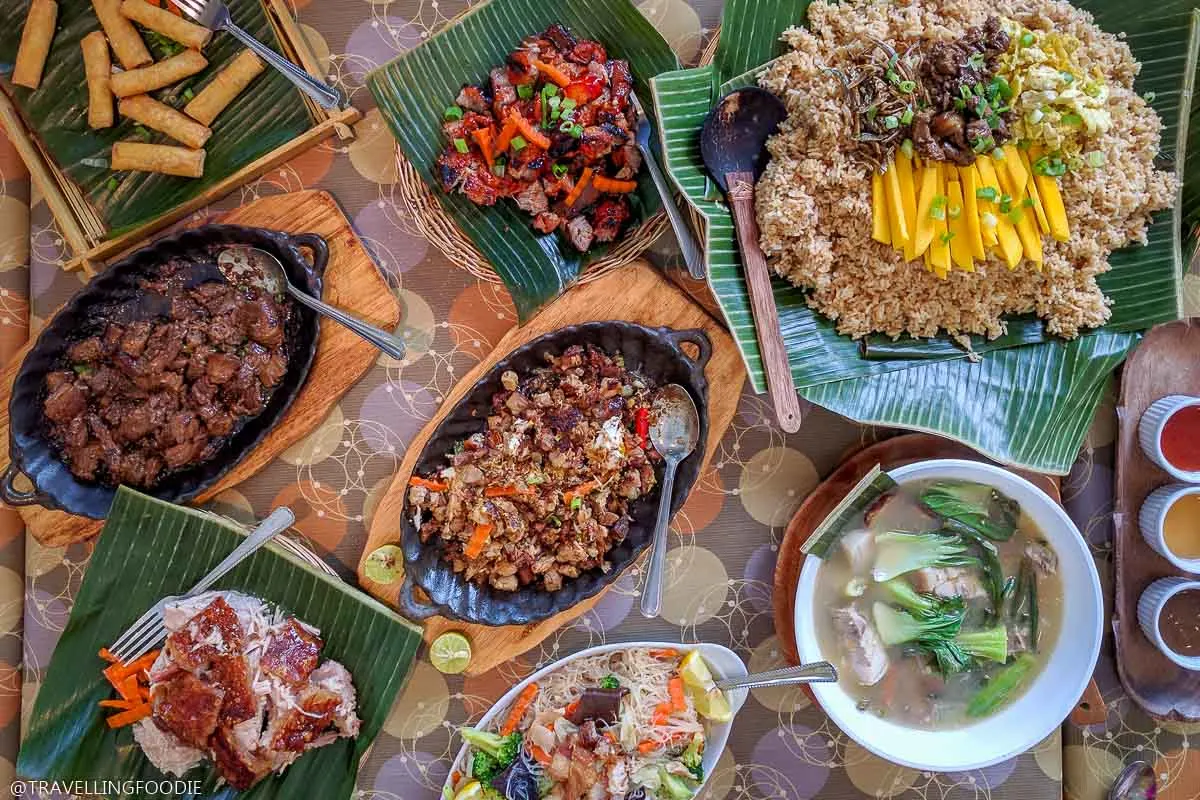
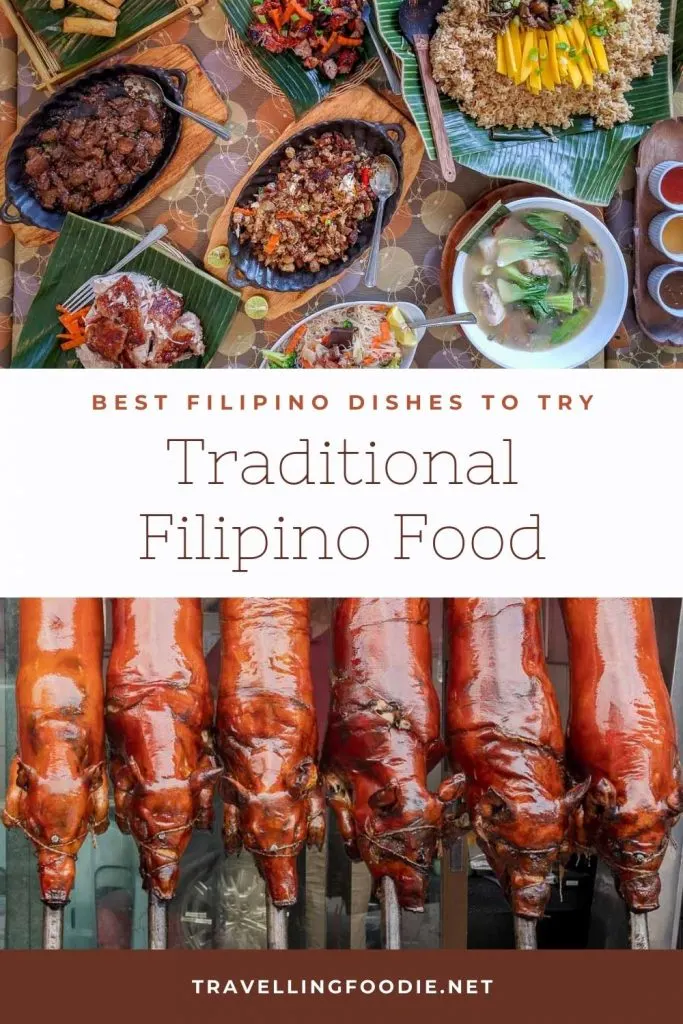
Looking for traditional Filipino food? This is your ultimate food list for must-try dishes in the Philippines.
An extensive group of islands, Philippines is a Southeast Asian country, sharing maritime borders with nations such as Taiwan, Japan, Indonesia, Malaysia, Vietnam, and mainland China.
There is so much to explore in this country – its culture, people, tourist attractions, and history. As a Travelling Foodie, I also love exploring through food.
Growing up in Manila meant growing up with many delicious Filipino food, which I’m so grateful for, because it’s one of the best Southeast Asian cuisines but not a lot of people know about it.
Best Traditional Filipino Food
Filipino cuisine definitely needs more love and recognition. Every time I introduced Filipino food to friends in North America, they ended up loving it, noting its strong and unique flavours.
Even Anthony Bourdain had a soft spot for Filipino cuisine and called it “underrated.” He has featured the Philippines and Filipino food numerous times on his shows.
When they say that Philippines is food lovers’ heaven, they have it right. This guide will give you a tour of traditional Filipino food beloved by locals and travellers.
If you want to learn more Filipino cuisine, check out my Asian food guides on Filipino Desserts and Exotic Filipino Food.
Adobo
The most popular Filipino food and referred to as the unofficial national dish of the Philippines, Adobo is commonly chicken (though pork is a 2nd favourite option) simmered in vinegar, garlic, black peppercorns, soy sauce, and bay leaves.
Though its an authentic Filipino delicacy, Adobo gets its name from colonizer Spain, which means “marinade” or “sauce” and is usually eaten with white rice.
In fact, you would typically pour the sauce onto the rice as well.
Did you know? There is no standard recipe for Adobo. Every Filipino household makes it differently.
If you want to savor the food in different ways in the Philippines, you’ll commonly find “adobo-flavored” noodles, nuts and crispy snacks.
Also Read: Gallery by Chele, Filipino Tasting Menu Restaurant in Manila
Bicol Express
Known for its fusion of flavors of spicy, sweet, savoury and tart, Bicol Express is a spicy Filipino food that contains bite-sized pork pieces with chilies, coconut milk, shrimp paste, tomatoes, onions, and garlic.
This spicy yet creamy pork stew gets its name from the train in the Bicol region of Philippines that is known for its spicy food and is usually served as a main dish for lunch or dinner, along with steamed rice.
Bulalo
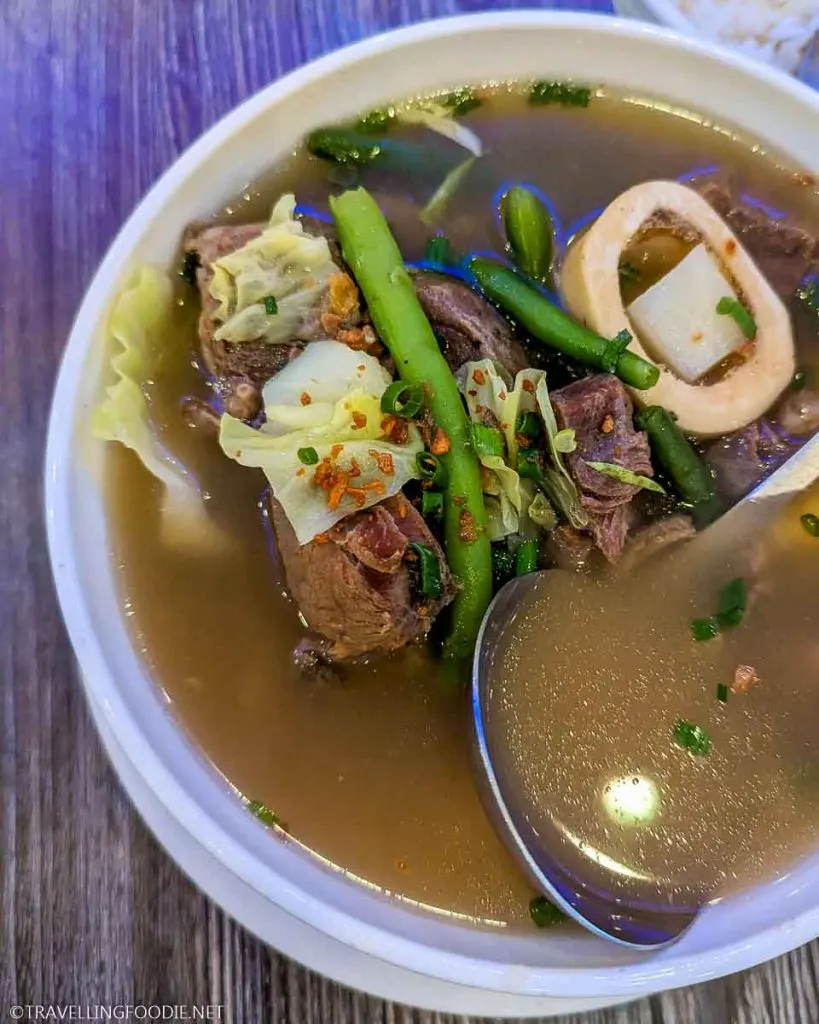
A famous Filipino food in the Southern Luzon region of the Philippines, Bulalo is usually a light-colored soup prepared by cooking beef shanks and bone marrows until the collagen and fat have melted into the broth.
Besides the beef, comforting soup also includes leafy vegetables, corn cob, scallions, garlic, onion, ginger, scallions, and fish sauce.
Bulalo is worth enjoying with garlic rice, soy sauce and calamansi on the side.
Chicken Inasal
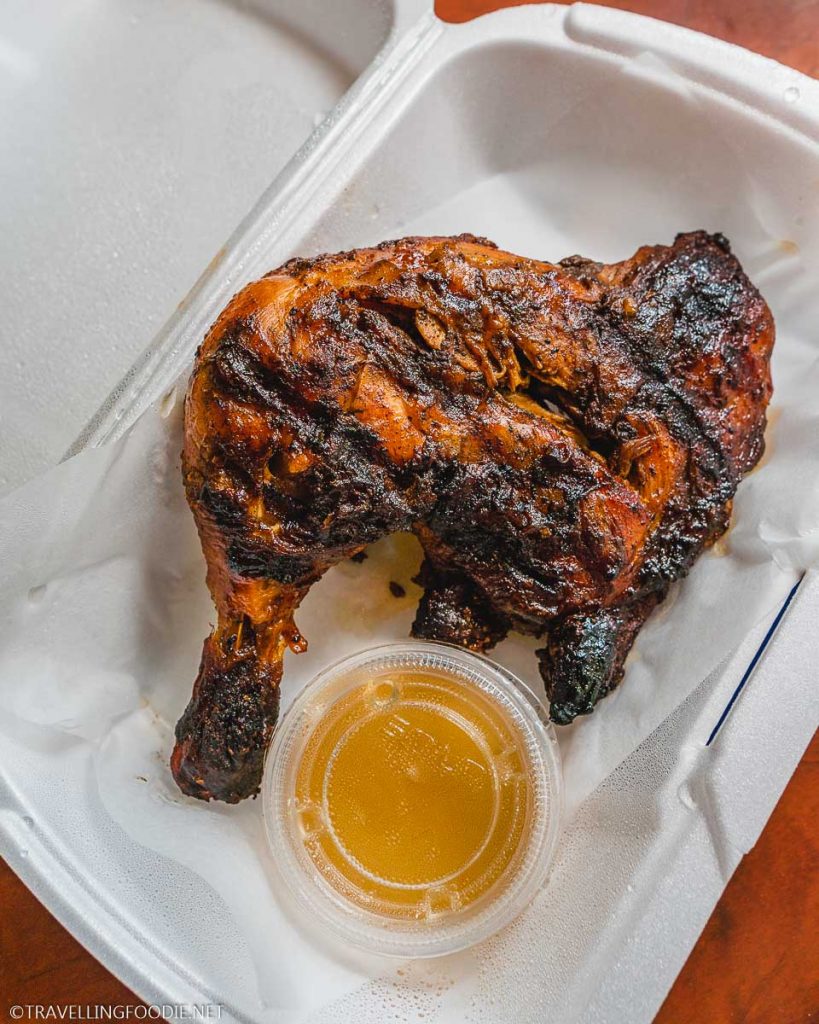
Chicken Inasal is grilled chicken to perfection and a must for chicken lovers.
Native to the Visayan Islands, this traditional Filipino food is not your typical grilled chicken. The preparation involves chicken marinated in ginger, lemongrass, and calamansi juice.
The chicken is then grilled over the fire using annatto oil and usually served with rice, liquid chicken fat, and a soy sauce dip.
In fact, some restaurants in the Philippines serve this with unlimited garlic rice because it’s so flavourful.
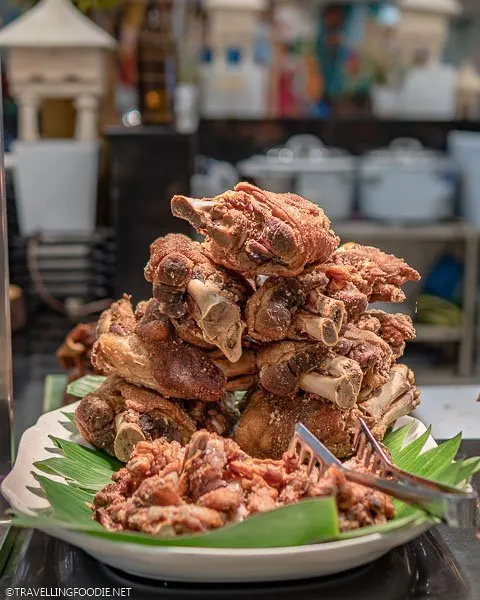
Crispy Pata
Ask any Filipino their favourite Filipino food, Crispy Pata will surely be mentioned! Myself included.
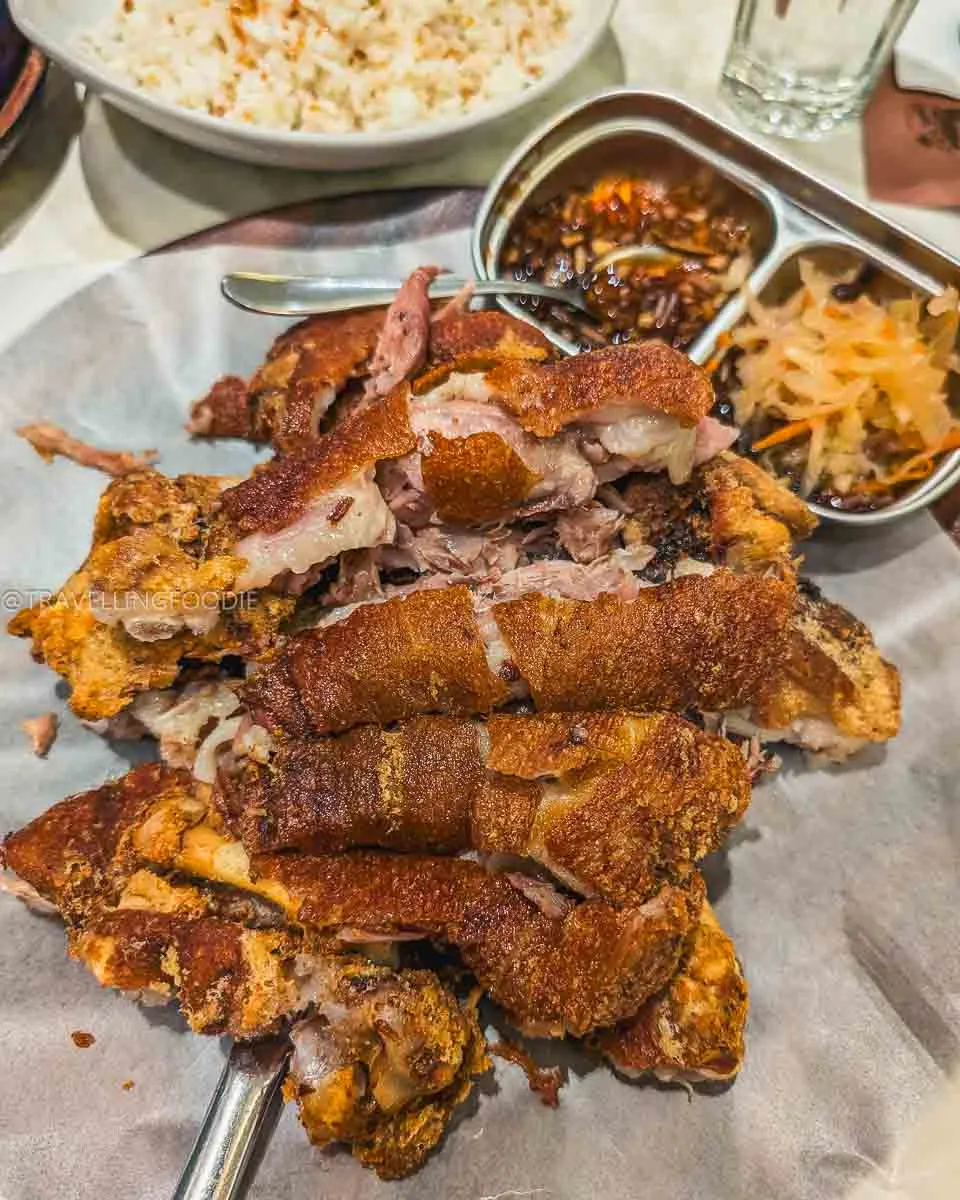
Crispy Pata is made from pork leg (or pork hock or knuckles), in which the whole pork leg is boiled with a spice mixture (like salt, bay leaf, peppercorns and garlic) until tender.
The pork is further fried until it attains a golden brown color and becomes crispy, resulting in crunchy skin and moist tender meat!
Crispy Pata is a popular pulutan dish or main entree, served with pickled papaya and a sauce that is made from vinegar, soy sauce, and a variety of spices.
If you’re in Manila, Crisostomo is one of the best Filipino restaurants in Manila for crispy pata.
Inihaw na Liempo
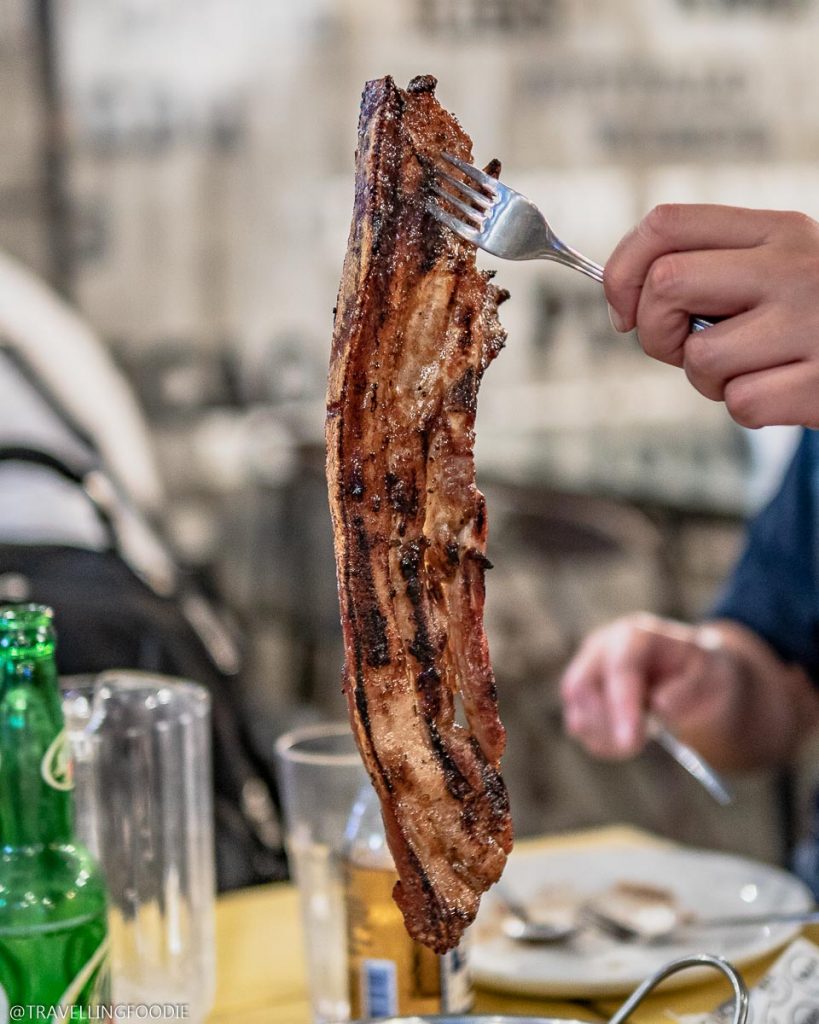
Inihaw na Liempo is Grilled Pork Belly made in Filipino style, in which the pork belly is marinated and grilled on a charcoal grill.
The taste is amazing!
It has nice char on the fatty part which further enhances the flavor of the dish, and the pork comes out flavourful with the marinade.
This traditional Filipino food is served with a side of sawsawan (dipping sauce) or spiced vinegar known as pinakurat.
You can enjoy inihaw na liempo as pulutan with beer or as a main entree with steamed white rice, or (even better) garlic rice.
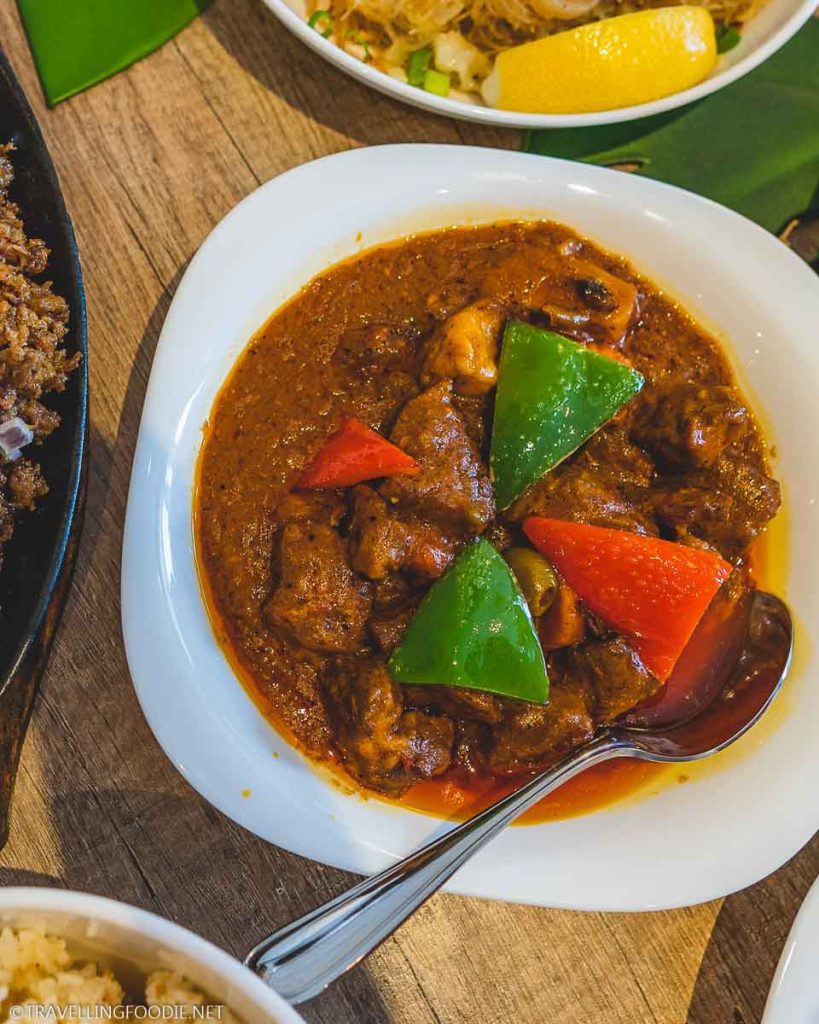
Kaldereta
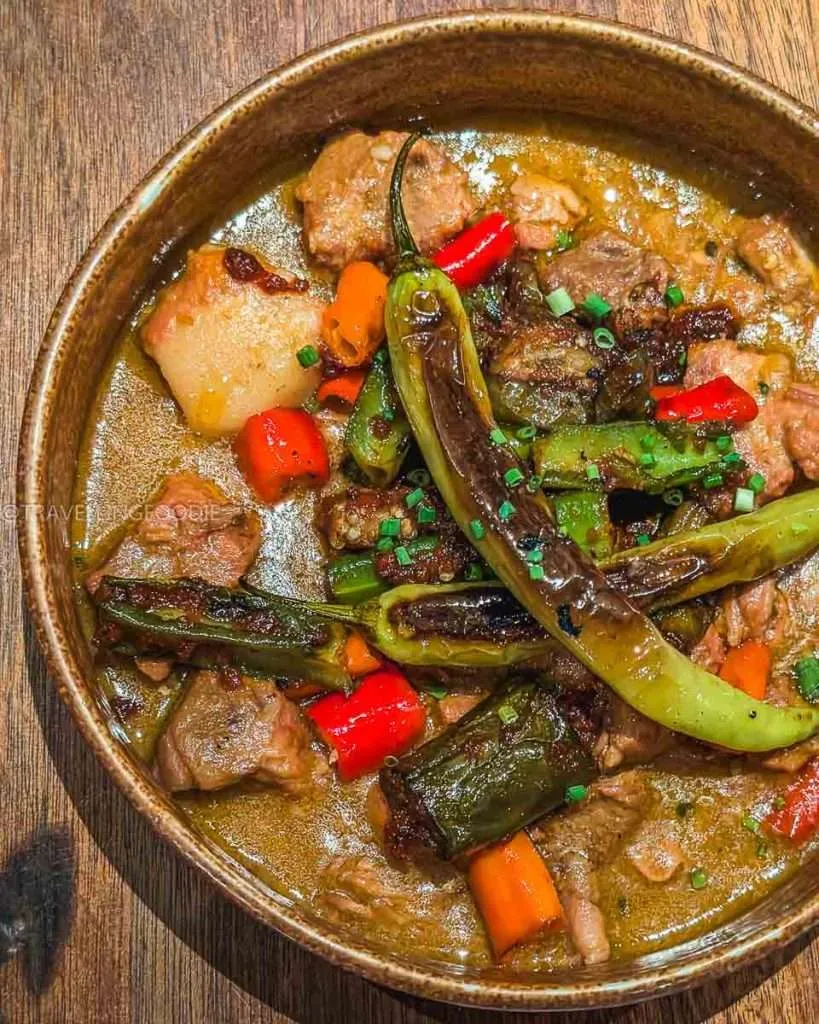
Kaldereta is a traditional Filipino meat stew that is made with vegetables, tomato sauce and liver paste.
The vegetables often include tomatoes, olives, potatoes, hot peppers, and bell peppers.
The meat could vary from goat meat to beef, chicken, or pork.
Goat meat is less common, but you’ll find more in rural areas in the Philippines where there’s an abundance of goat, like the goat kaldereta in Batangas I had.
The name Kaldereta comes from the Spanish word caldera which means cauldron, and is very much similar to the meat stews made in Iberian Peninsula and was brought to the country by the Spaniards.
Kare-Kare
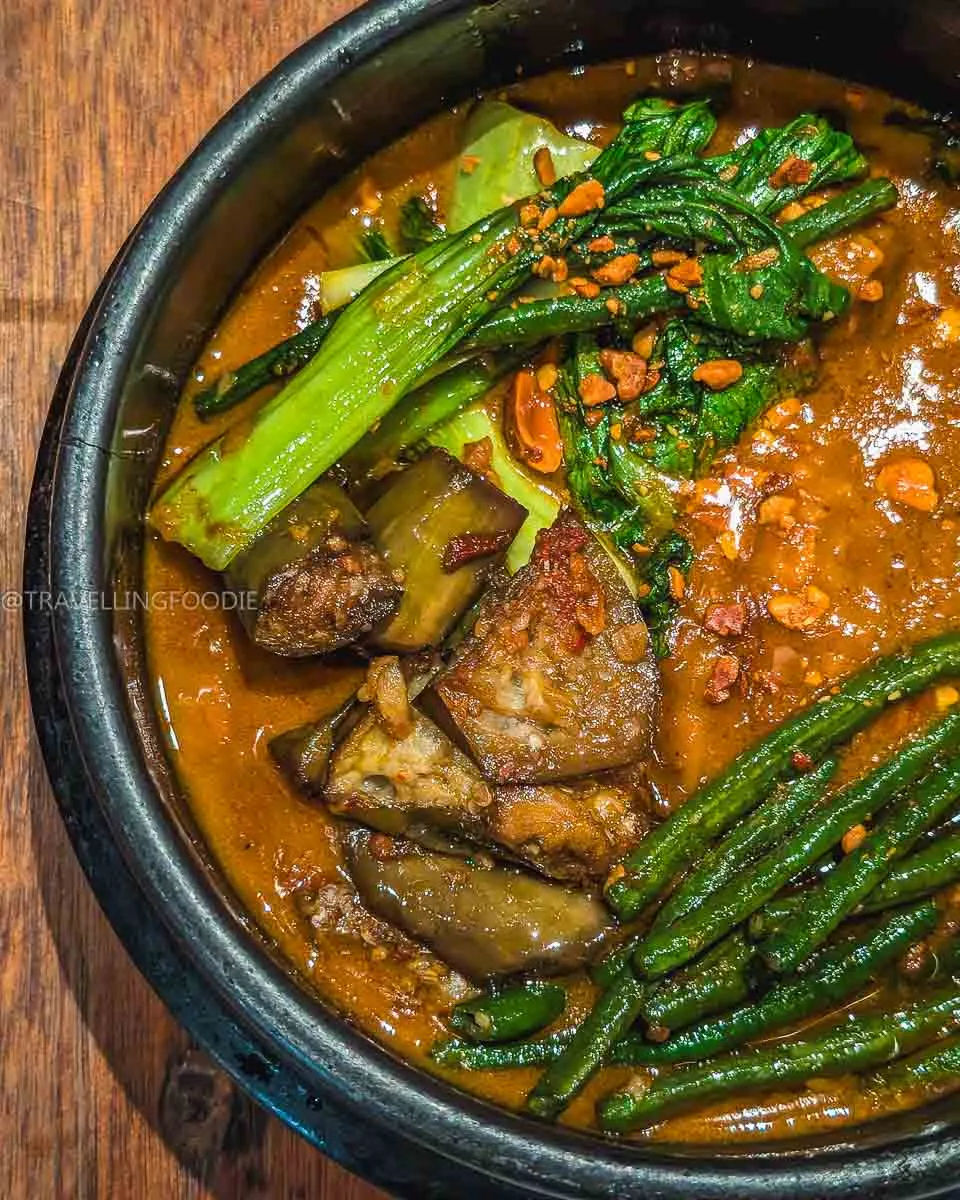
A traditional Filipino food that’s unique to the Philippines, Kare-Kare is a famous hearty stew dish that contains a rich savory peanut sauce.
It consists of meat, often one or more of beef, tripe, oxtail, pork leg, beef, and even at times goat.
Then vegetables are mixed in the peanut sauce made from ground roasted peanuts with some including garlic, onions, and annatto seeds on it.
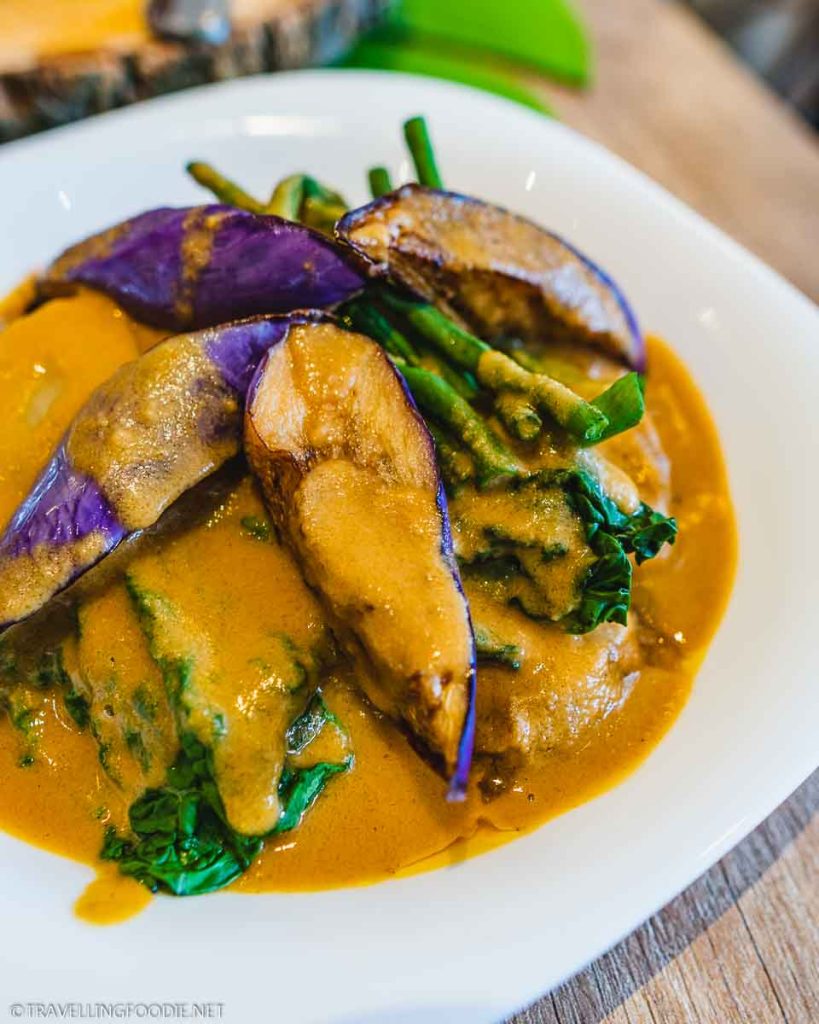
This main entree is often served with shrimp paste on the side to enhance the flavor of the dish and balance the rich peanut sauce.
I know Adobo is more popular, but I personally enjoy Kare-Kare more.
Laing
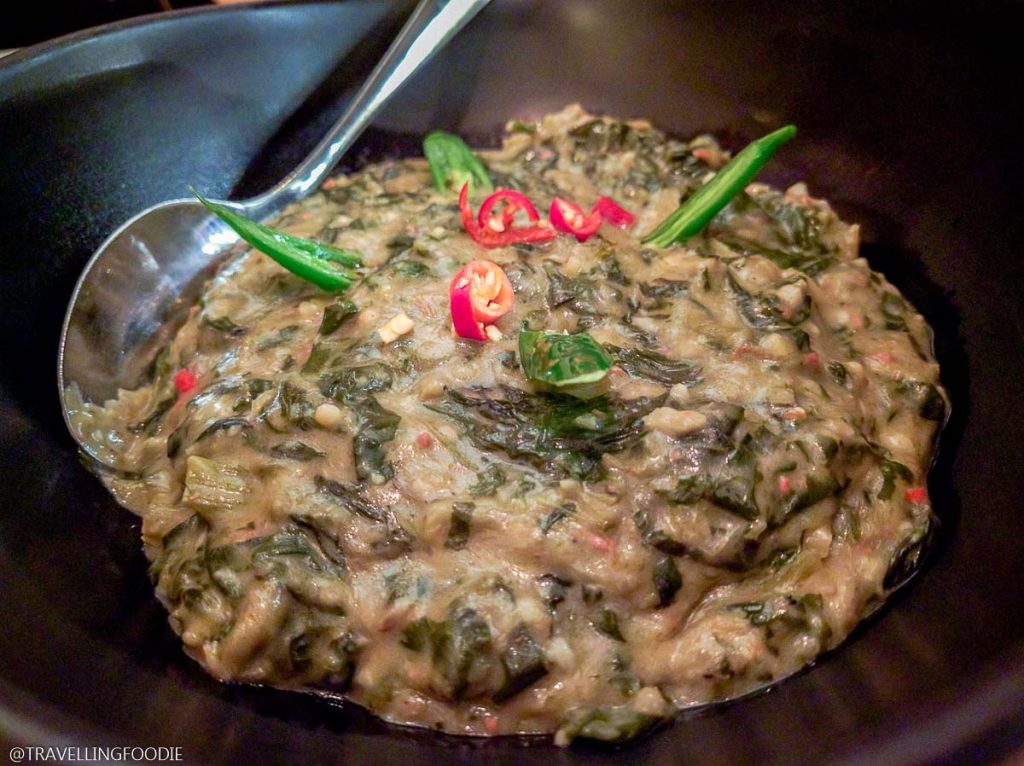
Laing is vegetable side dish that consists of shredded or whole taro leaves simmered in thick coconut milk with labuyo chile, garlic, ginger, lemongrass, shallots, and shrimp paste.
This traditional Filipino food came from the Bicol region of the Philippines, where it is popularly known as pinangat, and is is also known as “Ginataang Laing” because it is a form of ginataan (Filipino meals cooked in coconut milk).
Laing is typically served with steamed white rice to accompany meat or fish side dishes (ulam).
What I love doing is adding a lot of laing on top of the white rice and then mixing it all because the white rice becomes so flavourful.
Lechon
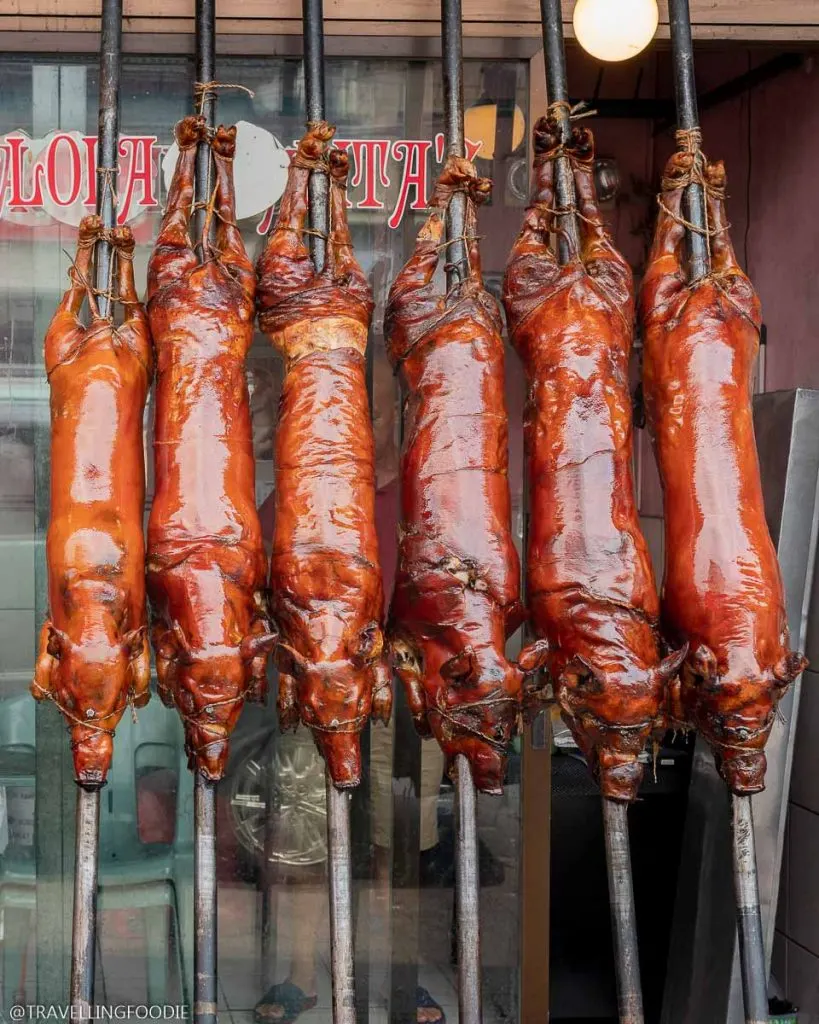
The most iconic Filipino food, Lechon, often known as “roasted suckling pig,” is a traditional centerpiece served at festivities and special occasions such as birthdays and weddings.
In fact, in Manila, La Loma is the Lechon Capital of the Philippines, and here you’ll find streets lined with lechon.
One of several Spanish inspirations on Filipino food, this Lechon can be prepared in two ways: ‘Manila or Luzon lechon’ and ‘Visayas or Cebu lechon.’
Before roasting, Manila lechon is normally merely spiced with salt and pepper. However, Cebu lechon is usually stuffed with a variety of spices such as tamarind, lemongrass, tamarind, onions, garlic, and chives, to name a few.
Both are slowly roasted over an open fire for many hours. You can notice a difference in the skin for both kinds of lechon.
I personally prefer the skin on the Luzon lechon which is smooth and thin with a crispy crunch. I find the Cebu lechon has more of a hard crackling crunch.
Leftover lechon is typically chopped then used to make another Filipino dish called Lechon Paksiw, in which they stew the leftovers in vinegar, liver sauce, and spices.
Lechon Kawali
Lechon is not always easy to find or make since it requires a whole pig and an open fire.
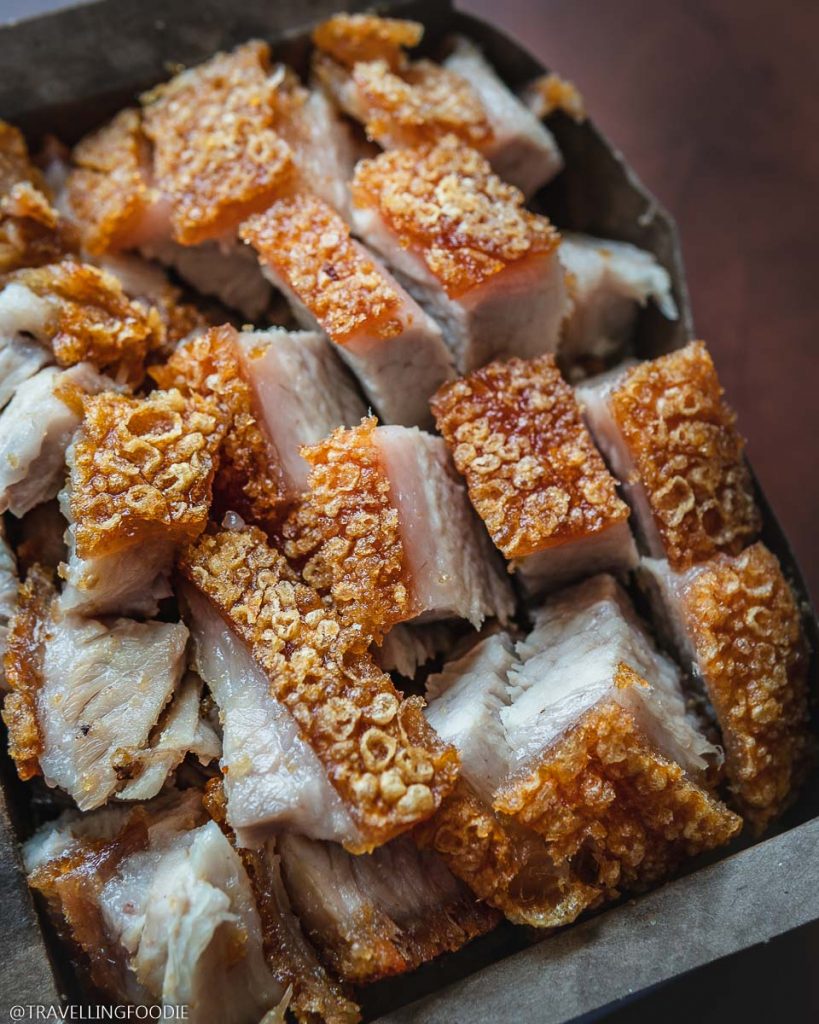
The next best thing you can get instead is Lechon Kawali, deep fried pork belly!
The name basically means Lechon cooked in a wok (kawali).
Similar to Crispy Pata, the pork belly is boiled first with some spice mixture, then air dried with salt rub, and then fried in a wok until crispy when the skin turns into a crackling texture.
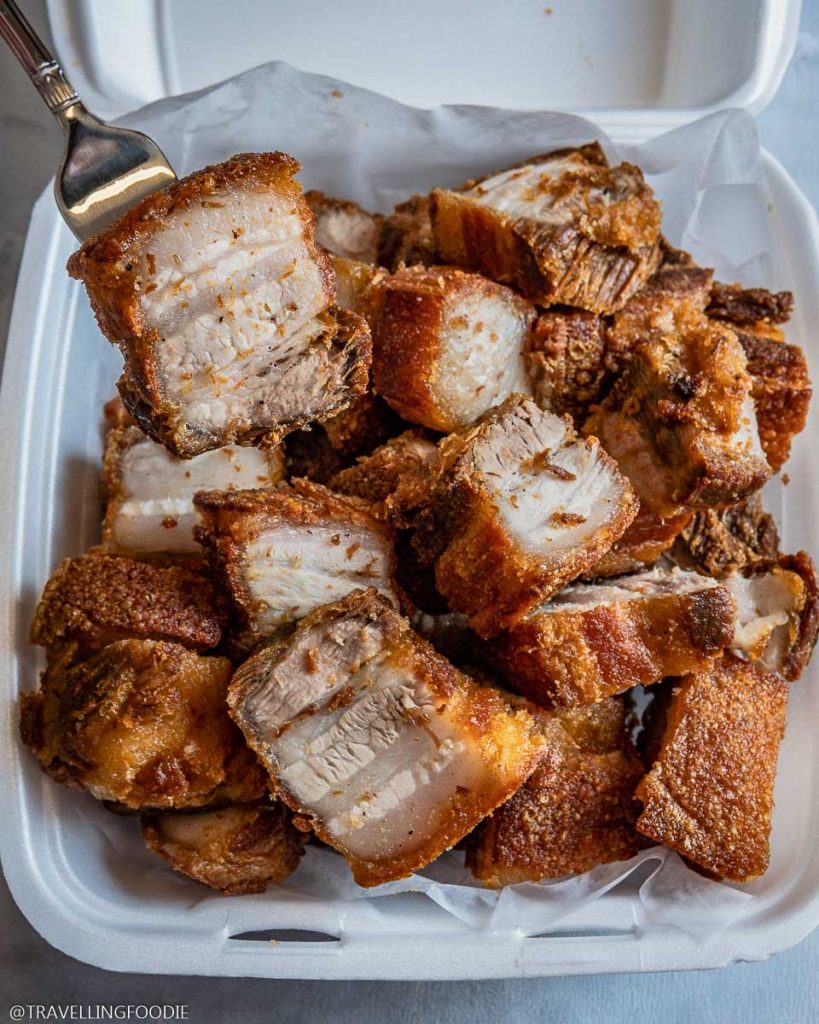
Crispy skin with tender fatty meat! What more can you ask for!
Lechon Kawali is typically served with soy-vinegar sauce like crispy pata. But another popular sauce for this traditional Filipino food is pork liver sauce like Mang Tomas, which I personally prefer over the soy-vinegar sauce.
If you’re ever in Toronto, Sampaguita Village is the best Filipino restaurant in Toronto for lechon kawali.
Longganisa
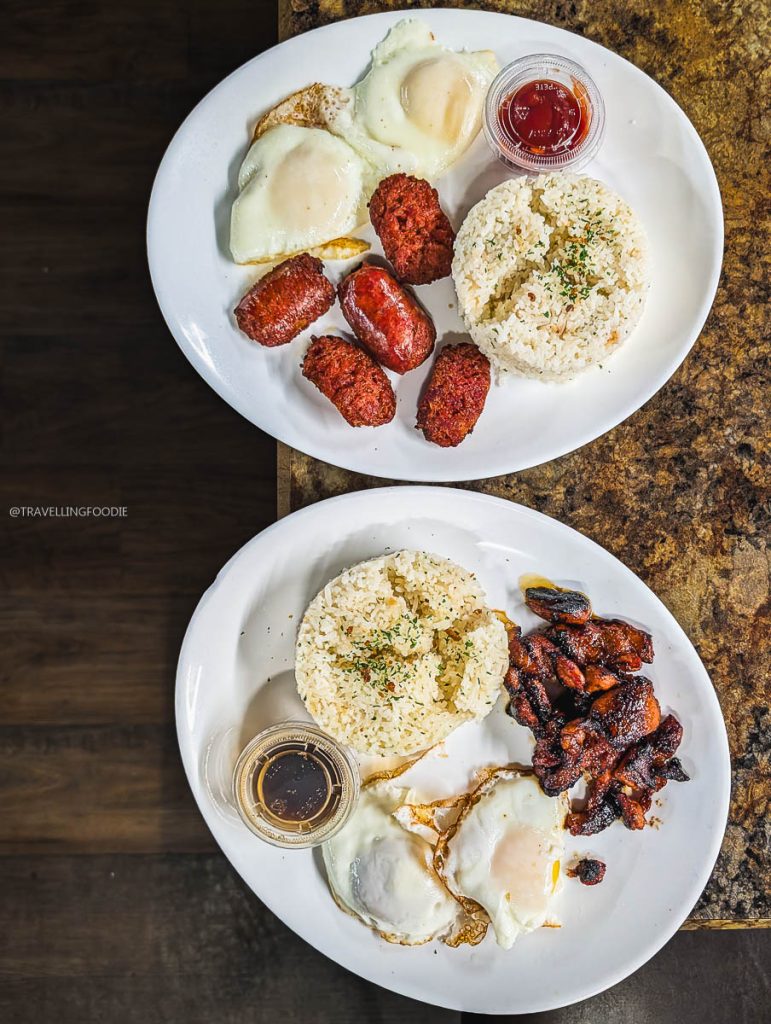
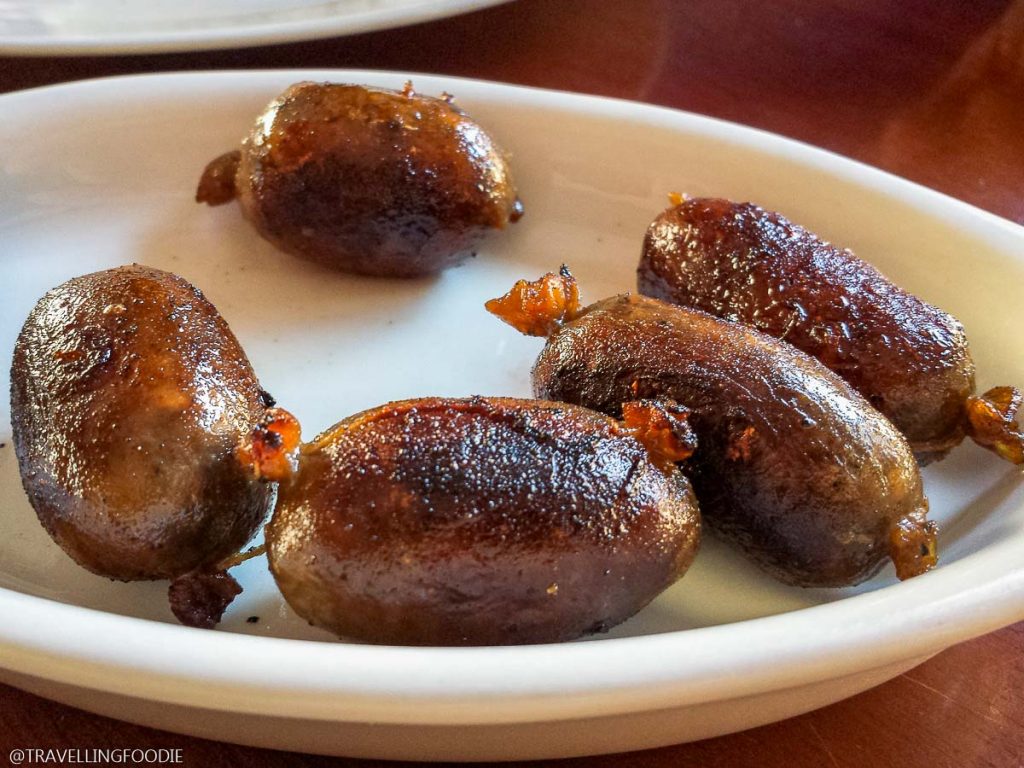
Perhaps the most traditional Filipino breakfast food, Longganisa (Longaniza) is the Philippines’ favorite sausage.
It is a long pork sausage that is spiced with paprika, aniseed, vinegar, cinnamon, and garlic.
There are regional varieties to Longganisa with the most popular being from Pampanga (sweeter) and Vigan (more savoury).
When you visit Philippines, longganisa is a must-try and is my favourite for a Filipino breakfast.
This is typically paired with garlic fried rice and fried egg, which is called longsilog on the menu.
Also Read: Korean Food Guide
Fried Lumpia
Ask any Filipino: there’s no truer heartbreak than going to a Filipino party and finding out there’s no lumpia!
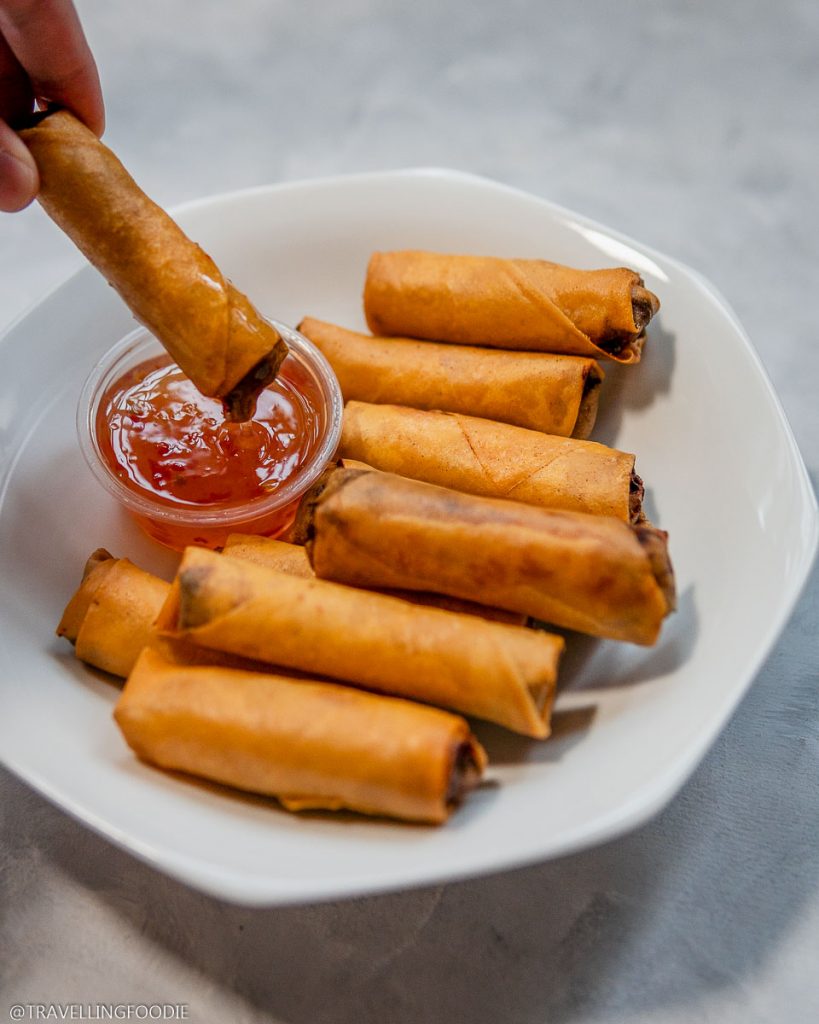
One of the most popular Filipino appetizers, Lumpia (or Lumpiang Shanghai) is inspired by Chinese egg rolls and is essentially a deep-fried spring roll.
Lumpia is stuffed with a combination of chopped vegetables and minced meat, infused with the right sauces to makes it the perfect appetizer for lunch.
Fried Lumpia is spring roll taken to the next level and is a major part of Philippines’ food culture.
You can find them in almost every party and special occasion.
Pancit Palabok
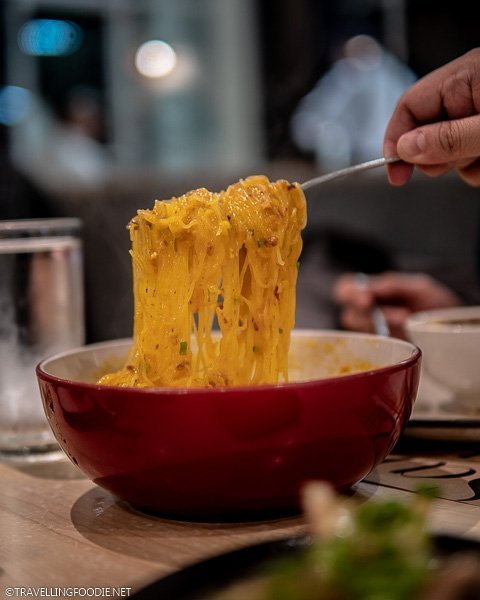
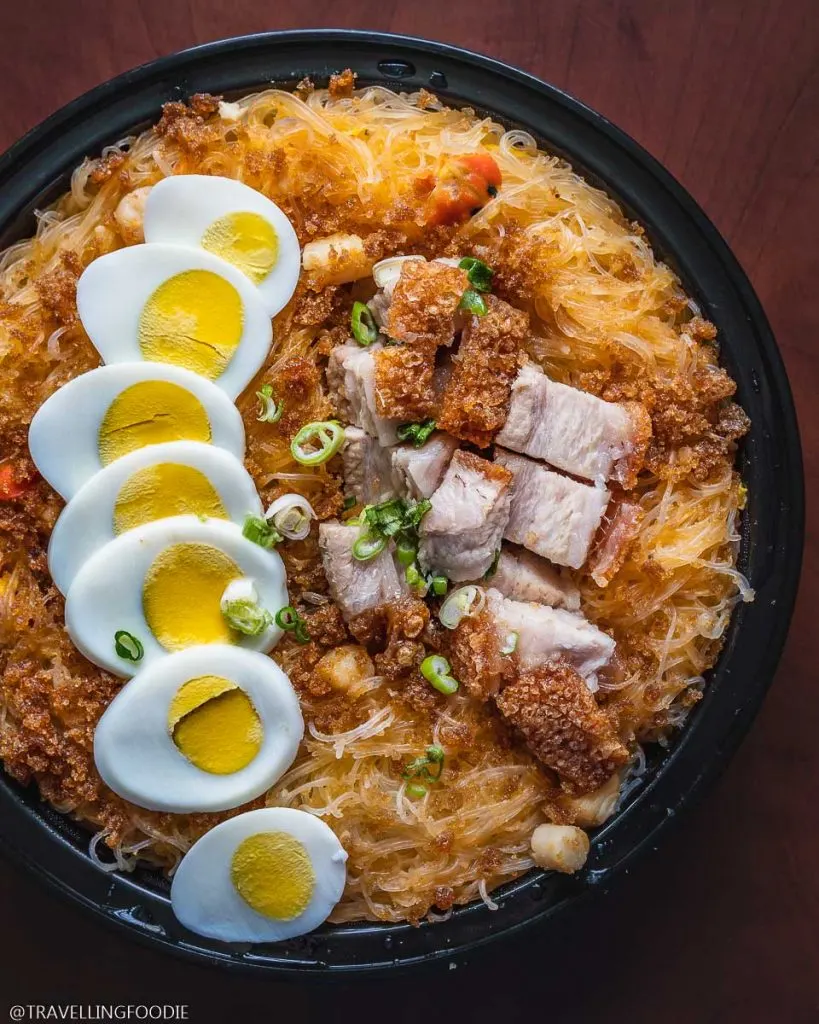
Pancit, or pansit, is a common term for traditional Filipino noodles often cooked with vegetables and meat.
Pancit Palabok is a popular variety specially prepared with shrimp sauce and is garnished with cooked shrimp, crushed chicharon, boiled pork, tinapa flakes, fried tofu, scallions, smoked fish, and friend garlic.
It’s one of the most popular Filipino food during celebrations particularly birthdays since pancit palabok is associated with long life and good health.
In fact, Philippine fast food chain, Jollibee, is very known for their Palabok Fiesta, which you can get in a party size for those special occasions.
Pork Barbecue
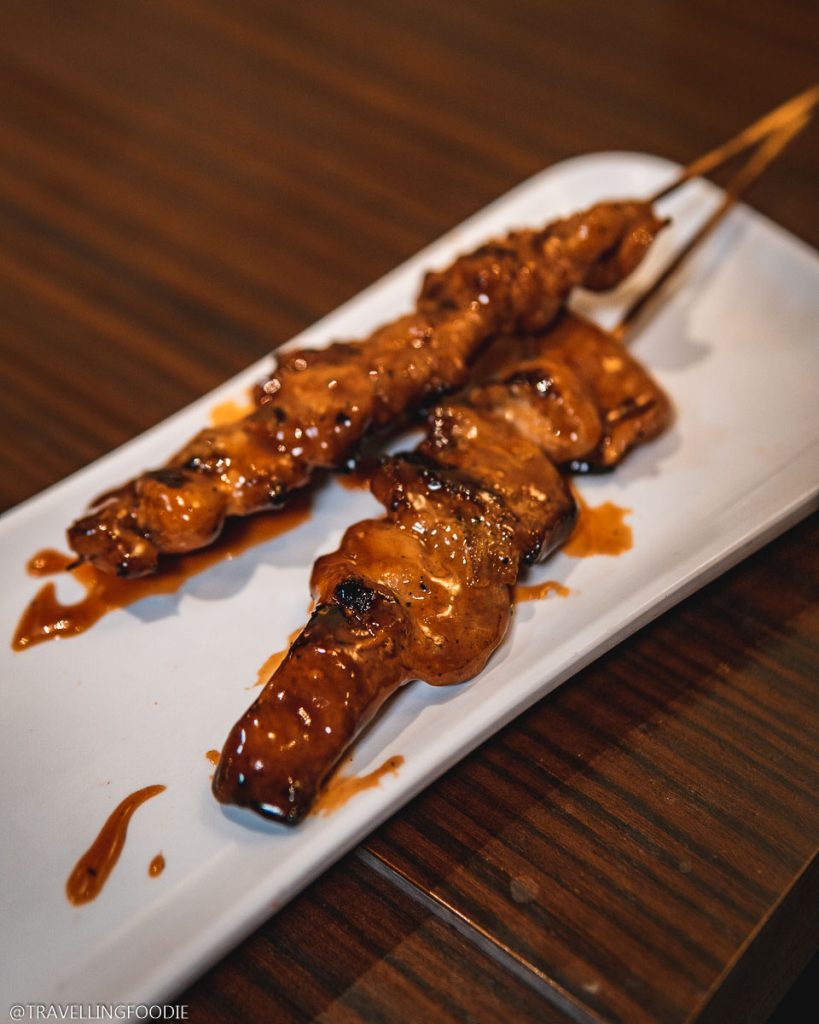
Go outside the streets of the Philippines, you are sure to find Pork Barbecue, one of the most popular Filipino street food.
But it’s not just for the streets.
It’s also a staple in restaurants, parties and at home for gatherings.
Popular for pulutan, this traditional Filipino food is marinated pork slices on a stick that are charcoal grilled.
What makes them different from other pork BBQ is the marinade since the Filipino version has a mix of sweet, salty and, sometimes, slightly spicy, whereas others tend to be salty and/or spicy only.
The secret? The marinade typically includes banana ketchup and 7-up/Sprite!
The spiciness would come from chili oil or chili peppers.
Also Read: Air Fryer BBQ Pork Tenderloin Recipe
Sinigang
Aside from bulalo, Sinigang is one of the best Filipino food to try if you’re searching for something that might warm you up during the monsoon season in the Philippines.
Sinigang is a traditional meat or seafood-based Filipino stew or soup in which the acidic stock is made with tamarind (sampalok) for a sour and savoury taste.
Water spinach (kangkong), okra, radish, taro, eggplant, and string beans are all commonly used in a traditional Filipino sinigang.
Aside from tamarind, spices like citruses, gooseberry tree fruits (called karmay in Ilocano), and others are used to enhance the sourness.
With its sour taste, sinigang is definitely an acquired taste and not for everyone.
Also Read: Indian Street Food Guide
Sisig
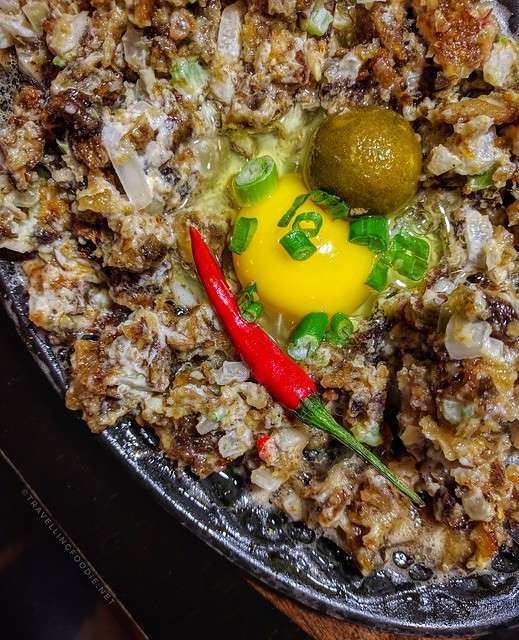
Sisig is another popular Filipino food that developed in the province of Pampanga, specifically in Angeles.
Portions of a pig’s head, such as its ears, cheeks, and jowls, are customarily chopped, boiled, and then sauteed or grilled or fried before being dressed with chicken liver, calamansi, chili peppers, onions, salt, vinegar, and pepper.
Some people find sisig to be exotic, but this is nothing compared to other exotic Filipino food.
Different places serve sisig in either soft or crispy form. It’s soft when it’s sauteed, and crispy when grilled or fried.
The traditional sisig uses pork, but variations have come out due to its popularity.
It’s now common to find chicken sisig (I love the one at Casa Manila in Toronto), bangus sisig (for pescatarians) and tofu sisig (for vegetarians).
I even had cocodile sisig during my trip to Palawan!
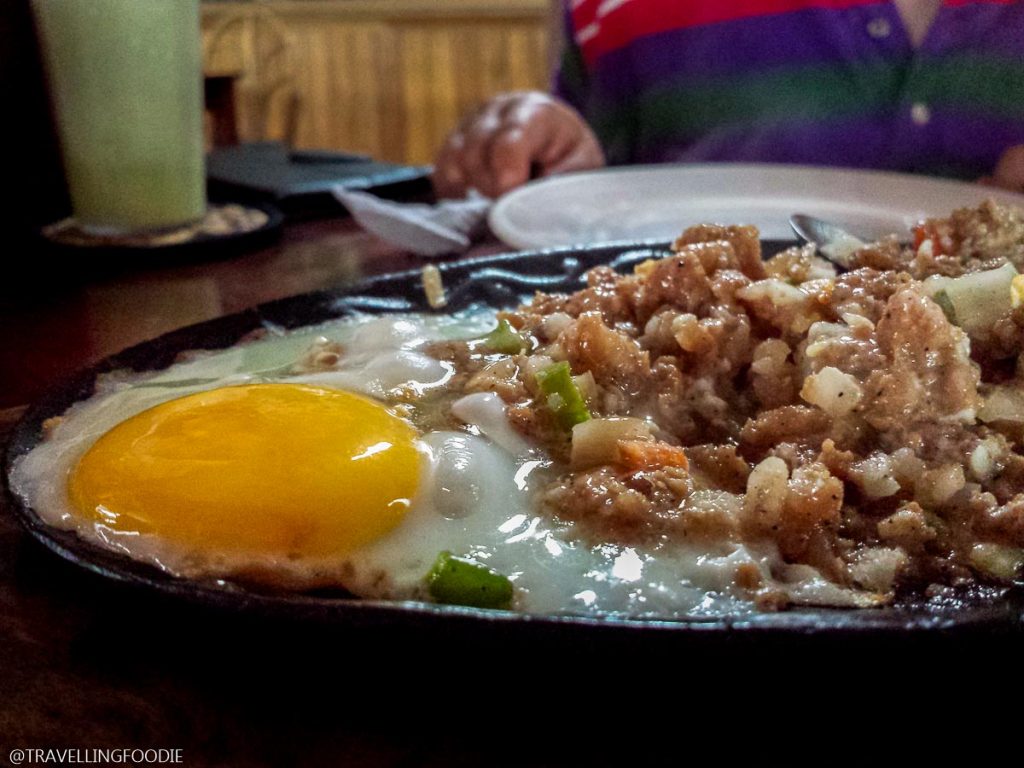
Sisig is a popular pulutan dish with beer because of how the beer goes well with the sizzle, crunch and flavour. The beer also helps cut the fattiness.
It’s one of my favourite Filipino food, something I always order when I’m at a Filipino restaurant.
Luckily, I found the best sisig in Toronto at Bella’s Lechon.
If you’re in the Philippines, I found Manam Cafe is one of the best restaurants in Manila (if not, the best!) for sisig!
Tapa
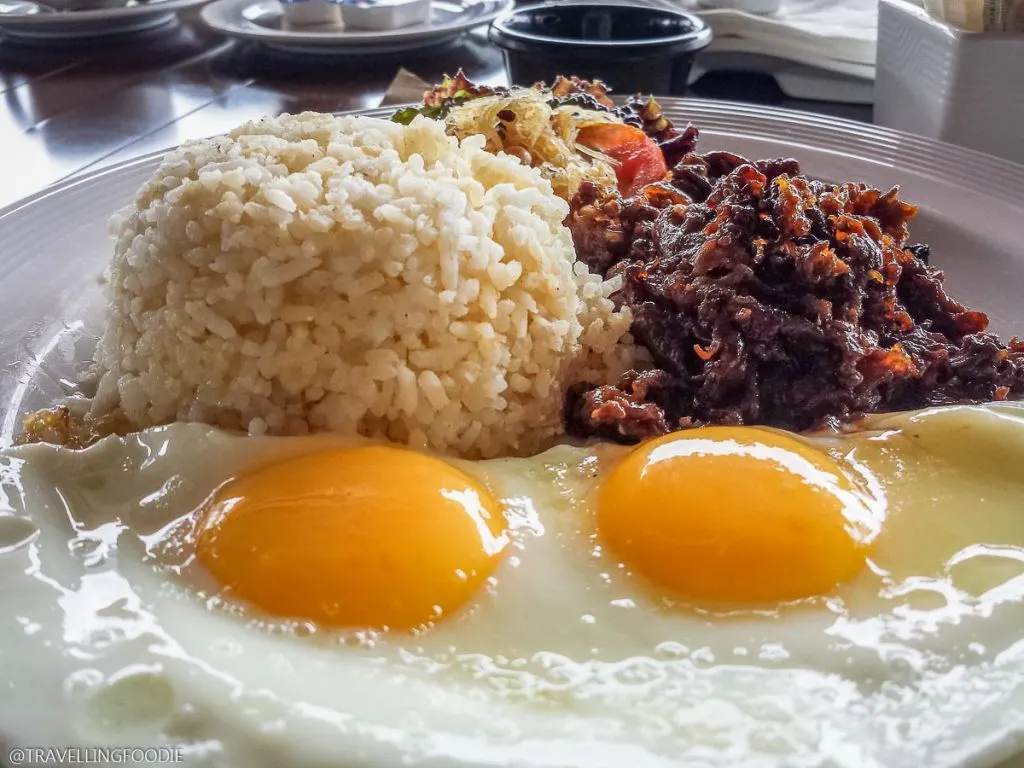
Tapa is made from dried or cured beef, mutton, venison, or horse meat, although it can also be made from other meats or perhaps even fish.
Unless otherwise stated, tapa typically refers to beef tapa in the Philippines. It’s like the Filipino version of “beef jerky.”
This traditional Filipino breakfast food is made by slicing thin strips of beef and preserving them with salt and spices. It’s frequently fried or grilled.
In Filipino restaurants, you’ll usually find it on the menu as Tapsilog, a combination of the Tagalog terms (beef) tapa, sinangag (fried garlic rice), and itlog (fried egg).
As a side dish, it may include atchara, pickled papaya strips, or sliced tomatoes. As a condiment, vinegar or ketchup are commonly used.

Hope this list of traditional Filipino Food helps you decide what are the best dishes to try when visiting Philippines or any Filipino restaurants in the world!
In A Rush? Quickly Plan Your Trip:
✈️ Cheap Flights
🏨 Top Accommodations
🚗 Car Rental Deals
🎫 Discounted Tours & Activities
🧳 Travel Insurance
📶 Travel eSIM
📷 Product Deals
Enjoy the content and want to support? You can buy me a coffee ☕, purchase a merch 👕, or subscribe to the newsletter.
Join the community on YouTube, Facebook, Food Instagram, Travel Instagram, and TikTok!
I love all of these food
Love Filipino food! Which traditional Filipino dish from the list is your favourite?